
Race Day Nutrition: A Strategic Approach to Peak Performance
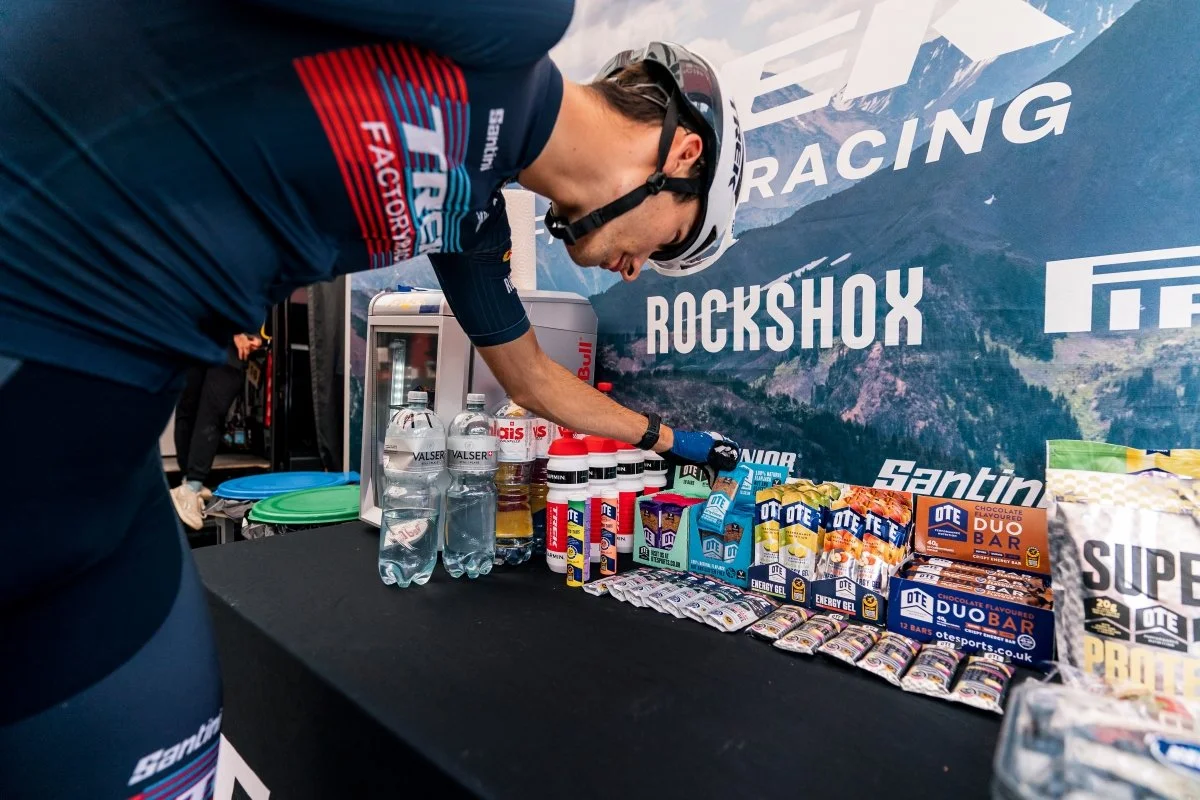
Race day nutrition is not merely about energy—it is a performance variable. Optimal fueling strategies enhance endurance capacity, delay fatigue, reduce gastrointestinal distress, and promote cognitive clarity under pressure. Athletes who develop and rehearse their race-day nutrition protocols gain not only a physiological edge but also psychological confidence.
Nutritional Preparation in the 24–36 Hours Pre-Race
The primary objective during this period is to maximise glycogen availability. This is achieved through deliberate carbohydrate loading, whereby athletes increase carbohydrate intake to approximately 8–10 g/kg of body weight per day, depending on the demands of the event. Practical sources include white rice, pasta, oats, bread, fruit, and sports drinks.
Simultaneously, hydration should be prioritised. Regular fluid intake across the day, ideally paired with sodium-rich electrolytes, supports plasma volume expansion and thermoregulation. This is particularly crucial in hot environments or during multi-hour events.
Athletes should avoid introducing unfamiliar foods or supplements during this period. Gastrointestinal stability is maintained by adhering to familiar, low-fibre, low-fat meals.
The Pre-Race Meal
Consumed approximately 2.5 to 3 hours before the race, the pre-competition meal should be high in carbohydrate, moderate in protein, and low in fibre and fat. This meal serves to restore hepatic glycogen and stabilise blood glucose.
Suitable options may include:
Porridge with banana and honey
White rice with eggs and fruit juice
Low-fibre toast with jam and a small protein shake
For early morning starts, where appetite is limited, liquid alternatives (e.g. carbohydrate-based smoothies or meal-replacement drinks) may be more tolerable.
Final Preparations: 30–60 Minutes Before Start
A small carbohydrate-rich snack or drink in this window helps top up circulating glucose and may include:
A banana or small cereal bar
A commercial energy gel
500 ml of isotonic sports drink
Caffeine may be introduced at this stage (3–6 mg/kg body weight), assuming the athlete has practised its use in training. Caffeine has demonstrated performance-enhancing effects across endurance, strength, and mental alertness domains; however, its implementation should be precise.
In-Race Nutrition Strategy
For events exceeding 60 minutes in duration, exogenous carbohydrate provision becomes essential. The target intake should be:
30–60 g/hour for races up to 2.5 hours
60–90 g/hour (using multiple transportable carbohydrates, e.g., glucose + fructose) for longer events or high-intensity stages
This can be delivered via a combination of energy gels, carbohydrate-rich drinks, chews, or energy bars, spaced evenly throughout the race. The ability to tolerate high carbohydrate intake during competition is dependent on gut training; athletes should integrate fueling practices into key sessions weeks before competition.
Hydration should be guided by sweat rate, environmental conditions, and the intensity of the race. Electrolytes, particularly sodium, are crucial for maintaining fluid balance and supporting neuromuscular function during prolonged physical activity or in high-heat environments.
Post-Race Recovery Nutrition
The recovery window is an opportunity to initiate glycogen resynthesis and support muscle protein repair. A post-race meal or recovery shake containing both carbohydrates and high-quality protein (in a 3:1 to 4:1 ratio) should be consumed within 30–60 minutes after the event.
Equally, rehydration should be addressed promptly, ideally guided by individual sweat loss (e.g., body mass change), with a target of 1.2–1.5 times the fluid lost, including electrolytes, for adequate rehydration.
