

Fueling Long Endurance Rides: Science-Backed Nutrition
The Glycogen Timeline
Muscle glycogen stores provide approximately 90-120 minutes of fuel at moderate aerobic intensity. Research consistently demonstrates that glycogen depletion is a primary cause of fatigue in endurance exercise (Burke et al., 2017). The classic studies by Bergström in 1967 showed direct correlation between pre-exercise muscle glycogen content and endurance time at 70-75% VO2 max. Without carbohydrate supplementation during exercise, performance deteriorates as glycogen depletes. Even in glycogen-depleted states, carbohydrate ingestion during exercise enhances performance by providing exogenous glucose (multiple studies).

Fueling Hard Intervals: Science-Backed Nutrition
The Glycogen Problem
High-intensity intervals run almost exclusively on carbohydrate. Research on trained cyclists shows that performing intervals with low muscle glycogen reduces time-to-exhaustion by 65% compared to carbohydrate-supplemented conditions (Ramonas et al., 2023). Elite runners who restricted carbohydrate intake to under 1.5g/kg/day for two days showed 2% slower 1500m performance versus those consuming over 5g/kg/day—despite being fully rested (MDPI Nutrients, 2024). The message is clear: adequate glycogen determines interval quality.


Ultimate Nutrition & Fueling Resource Bundle
Everything you need to eat smart, fuel better, and perform at your best.
Inside this downloadable bundle, you’ll find a wide range of expert-crafted handouts, PDFs, and nutrition guides covering:

Real-World Athlete Toolkit Practical Strategies for Consistent Nutrition
Even the best fueling strategies are only effective if they’re consistently applied. Athletes juggle demanding training schedules, travel, work, family responsibilities, and fatigue, so nutrition must be both effective and realistic. The following toolkit provides practical guidance to help athletes integrate high-performance nutrition into their daily lives without overcomplicating or succumbing to perfectionism.
Fueling Fundamentals: The Basics of Performance Nutrition
Understanding how to fuel your body is one of the most important aspects of performing well in training and racing. Nutrition isn’t just about general health—it’s a key driver of adaptation, recovery, and consistent progression. At its core, performance nutrition is about timing, quality, and quantity. Each macronutrient plays a role, and knowing when and how to use them is what separates elite fueling from guesswork.

Meal Timing & Composition: Fueling with Intention
Nutrition should match your training load. On higher-volume or double-session days, energy intake must increase. On lighter days, portions may reduce—but skipping meals or cutting carbs altogether is rarely beneficial, especially for endurance athletes.
Race Day Nutrition: A Strategic Approach to Peak Performance
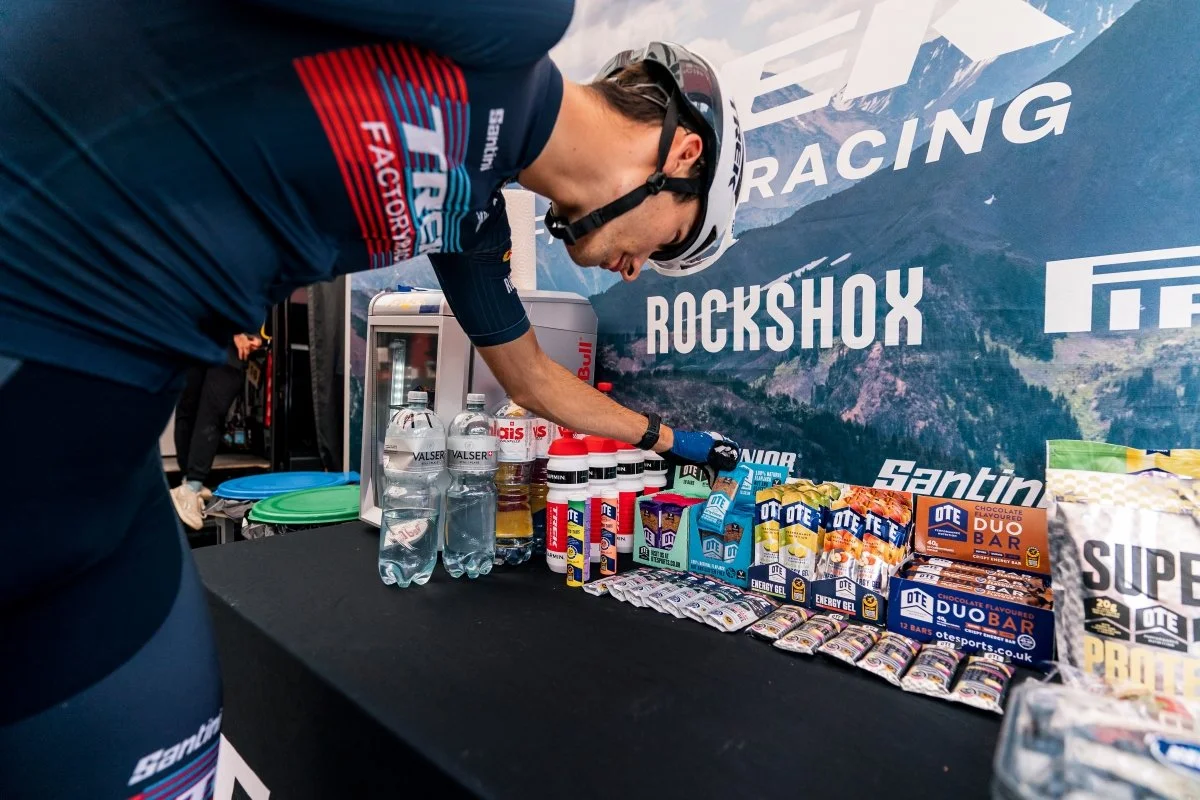
This can be delivered via a combination of energy gels, carbohydrate-rich drinks, chews, or energy bars, spaced evenly throughout the race. The ability to tolerate high carbohydrate intake during competition is dependent on gut training; athletes should integrate fueling practices into key sessions weeks before competition.

Nutrition for Specific Training Goals
Effective training is only part of the performance equation—what an athlete eats before, during, and after different types of sessions plays a pivotal role in maximising adaptation, maintaining consistency, and reducing risk of underperformance or illness. Nutrition should not be static. It must be periodised alongside training, with specific strategies tailored to the physiological demands of each session type.